

If you’re looking to improve your performance, sooner or later someone will (or should) tell you to start strength training. You’ll hear the same advice in running, swimming, climbing, martial arts and just about every other sport.
But if your goal is to become better at your sport, why should you spend part of your limited training time on anything other than practicing it?
Practice comes first, and it should, especially in recreational sports. That’s where you develop your technical and tactical abilities. If you only have a few sessions available each week, spending one of them at the gym isn’t an obvious choice.
So what does strength and conditioning actually bring that another practice session doesn’t?
Don’t skip practice
If you want to become a better swimmer, you need to swim. If you want to become a better judoka, you need to spend time on the mat. There isn’t a gym program that can replace technical practice.
If you’re new to a sport, practicing more is often the best way to improve. Every session builds technical skills, experience and confidence that can’t be developed anywhere else.
And practice also develops physical qualities. Cyclists build aerobic fitness by riding, volleyball players jump hundreds of times during training, and grapplers become stronger by grappling. Physical development happens along the way, but improving those qualities isn’t the primary objective of the session.
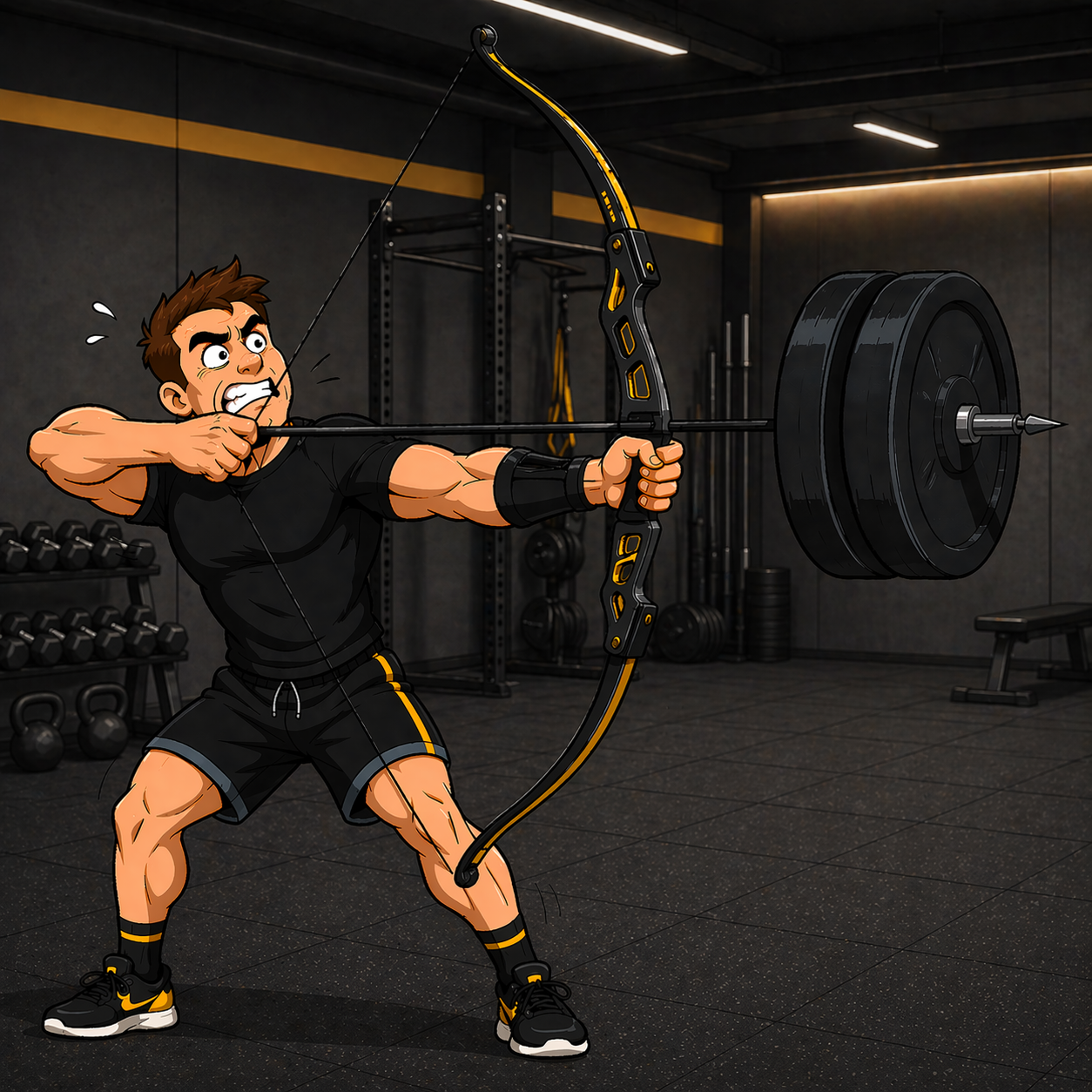
Practice is designed to make you better at your sport. Strength and conditioning is designed to prepare you for it.
Preparing to perform
Performance training gives you something that practice usually can’t: dedicated time to develop the physical qualities that support your sport.
We’re talking about the physiological qualities that help you sprint a little faster, move more efficiently, stay stronger late in a match or better handle the training your sport demands.
The exercises matter, but the starting point is understanding what you’re trying to develop.
That’s why this type of training rarely looks the same from one athlete to the next. A marathon runner and a rugby player won’t develop the same qualities, but neither will two runners training for different distances, or two wrestlers with different strengths, equipment, limitations and competitive goals.
Performance, durability & consistency
Aiming for a better performance is usually what brings people to strength and conditioning, but understanding that this is what they need to keep training durably is why they stick with it.
Physical preparation can’t eliminate injuries, and it shouldn’t be presented that way, since any sport will always involve some sort of risk. What it can do is improve your ability to tolerate training, recover from it and better handle the physical demands of your sport.
When you only have two or three sessions each week, missing a month of training has a much bigger impact than when you have daily opportunities to improve. Every training session matters because there are fewer of them.
That’s why strength and conditioning deserves a place alongside practice. It’s another way to prepare for your sport, helping you perform better, train more consistently and keep enjoying the activities you care about.
| Sport Practice | Strength & Conditioning |
|---|---|
| Builds sport-specific skills | Builds the physical qualities that support them |
| Technical & tactical development | Physical preparation |
| Performance through practice | Performance through adaptation |
Every Session Has a Purpose
If your goal is to become better at your sport, practicing your sport should remain the foundation of your training.
Strength and conditioning isn’t there to replace practice. It’s there to prepare you for it, when it addresses qualities your sport isn’t already developing effectively. It allows you to train more efficiently, recover better, so you can progress faster and push yourself a little bit more next time, for a long time.
A systemic approach for individual results
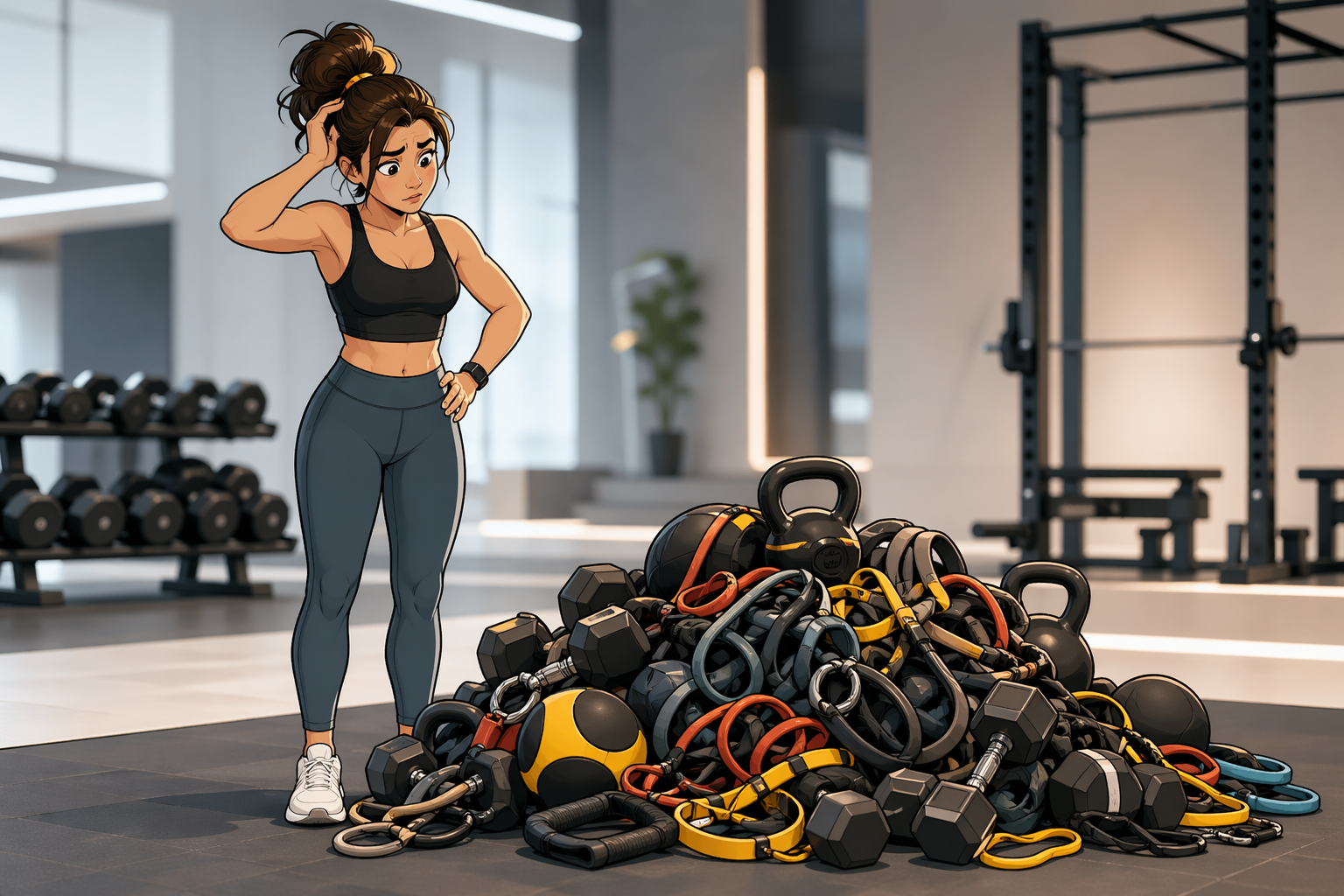
What that preparation looks like depends on the sport you play, your experience, your goals, your injury history, your schedule and the resources you have available. Two athletes can play the same sport and still benefit from very different approaches.
That’s why every coaching relationship at Desk Athletics starts with a structured assessment. Before choosing exercises, we first understand what you’re trying to achieve, what your sport demands and what your life realistically allows.
If you’re wondering what that could look like for your own case, let’s start that conversation.
More topics

May. 2026
Aug. 2025